The Earth is not merely a planet; it is a single, colossal, self-sustaining energy system. For millennia, humanity has sought to harness power by extracting, burning, or capturing, treating the natural world as a resource to be exploited. We built massive, centralized grids powered by the sun, the wind, and the atom, yet we overlooked the most profound, continuous, and decentralized power source of all: the quiet, ceaseless energy flow within the soil beneath our feet. This oversight is a philosophical blind spot, a failure to recognize the planet’s own intrinsic battery system.
The Plant-Energy Connection is not a metaphor; it is a literal, biochemical reality. Every blade of grass, every tree root, every patch of moss is a living component in a global energy network, constantly converting solar energy into chemical bonds. The true genius of nature, however, lies not just in the capture of energy (photosynthesis), but in its gentle, continuous release. This is where Pisphere enters the narrative, not as a conqueror of nature, but as an interpreter, finally giving voice and utility to the planet’s silent electrical hum. It represents a profound shift from the extractive energy model to a symbiotic one, transforming living green spaces into a perpetual, carbon-neutral power source.
I. The Symbiotic Engine: Unpacking the Plant-MFC
To understand Pisphere is to understand the intricate, unseen dance between plant and microbe. The technology is rooted in the Plant-Microbial Fuel Cell (Plant-MFC), a bio-engineering marvel that leverages the natural waste products of a healthy plant. This is a system of elegant simplicity built upon complex biology.
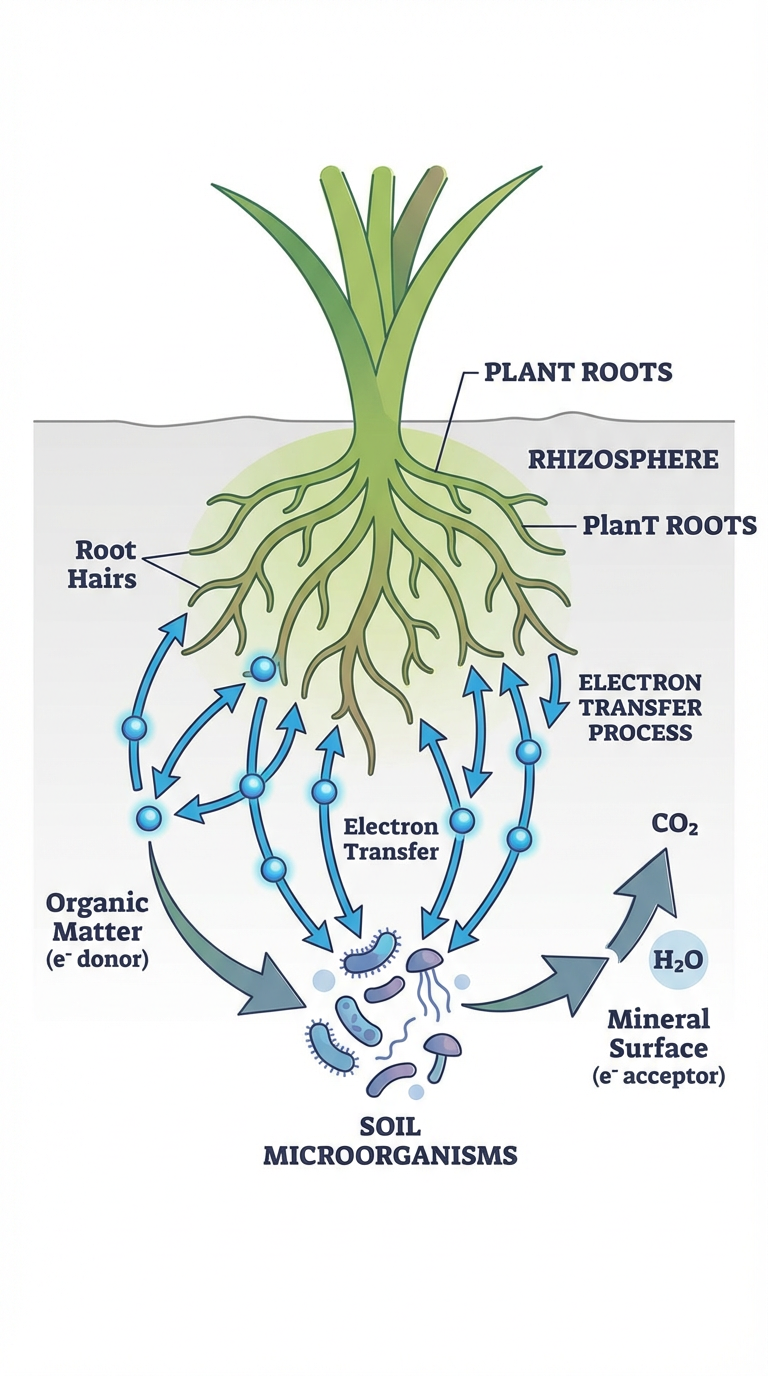
The process begins with photosynthesis, where the plant captures sunlight and converts it into glucose, a form of chemical energy. The plant uses most of this energy for its own growth, but a significant portion—up to 30%—is exuded through the roots into the soil in the form of organic compounds, a process known as rhizodeposition. These exudates—sugars, amino acids, and organic acids—are essentially the plant’s gentle, continuous waste stream.
In a traditional energy system, waste is a problem. In the Pisphere system, waste is the fuel. The soil around the roots is teeming with microorganisms, including a special class of electrogenic bacteria. Pisphere specifically utilizes strains like Shewanella oneidensis MR-1, a microbe with a remarkable capability: it can transfer electrons directly to an external electrode.
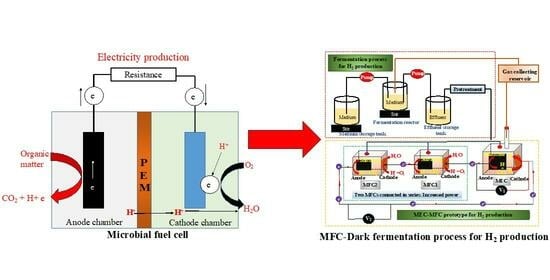
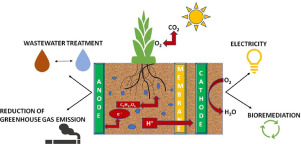
The Pisphere device is essentially a specialized container or module buried in the soil near the plant roots. It contains two electrodes: an anode and a cathode, separated by a Proton Exchange Membrane (PEM).
- The Anode Reaction: The electrogenic bacteria colonize the anode. They consume the organic exudates from the plant roots. As they metabolize these compounds, they release electrons and protons. The electrons are transferred directly to the anode, which acts as the terminal electron acceptor in the bacteria’s respiration process.
- The External Circuit: The electrons travel from the anode, through an external circuit (where they do useful work, i.e., generate electricity), and finally arrive at the cathode.
- The Cathode Reaction: At the cathode, the electrons combine with protons (which have migrated across the PEM) and oxygen from the air to form water.
The genius of the Plant-MFC is that the plant remains completely unharmed. The system taps into the natural, continuous cycle of root exudation, a process that is vital for the plant’s own health and the surrounding soil ecosystem. It is a zero-sum game for the plant, but a net gain for the energy grid. This non-destructive harvesting of energy is the core philosophical breakthrough of Pisphere.
II. The Perpetual Power Source: Why Pisphere is Nature’s True Battery
The most compelling technical argument for Pisphere is its capacity for 24/7 electricity production. Unlike solar power, which ceases at sunset, or wind power, which is dependent on atmospheric conditions, the Plant-MFC operates continuously. The soil itself becomes the energy storage medium, a vast, living battery.
The plant, powered by the sun during the day, continuously produces and releases organic matter. The microbial community in the soil, fueled by this constant supply, continues its metabolic process around the clock. This inherent stability and reliability are what truly elevate Pisphere from a mere renewable energy source to a foundational component of a decentralized, resilient power infrastructure.
| Energy Source | Intermittency | Fuel Source | Environmental Impact | Maintenance Cost (Annual Est.) |
|---|---|---|---|---|
| Solar | High (Daytime only) | Sunlight | Manufacturing/Disposal of Panels | $20 – $30 USD |
| Wind | High (Wind speed dependent) | Wind/Airflow | Visual/Noise Pollution, Habitat Impact | $40 – $60 USD |
| Fossil Fuels | Low (On-demand) | Extracted Carbon | High Carbon Emissions, Pollution | High |
| Pisphere (Plant-MFC) | Zero (24/7) | Living Plant Exudates | Zero Waste, Carbon Neutral | $10 – $15 USD |
The economic profile of Pisphere is equally revolutionary. With an estimated annual maintenance cost of only $10-$15 USD per unit, it drastically undercuts traditional renewable sources. This low operational expenditure, combined with the technology’s longevity—as long as the plant is healthy, the system functions—makes it an ideal solution for long-term, low-power applications where reliability is paramount.
Furthermore, the technology is inherently space-efficient. The MFC modules are embedded or buried, meaning the energy generation infrastructure is hidden beneath the green space it utilizes. A 10m² area of healthy plant life can yield an impressive 250-280 kWh annually. This is not a replacement for utility-scale power plants, but a paradigm shift toward ubiquitous, localized power generation. Imagine a city where every park, every green roof, and every roadside planter is quietly contributing to the grid.
III. The Architecture of the Green Grid
The applications of Pisphere are as diverse as the plant life it utilizes, ranging from the hyper-local to the infrastructural. The technology is perfectly suited for low-power, high-reliability needs, creating the foundation for a new “Green Grid” architecture.
1. Smart Agriculture and IoT Sensors: The most immediate and impactful application is in smart agriculture. Modern farming relies heavily on a dense network of sensors to monitor soil moisture, pH, nutrient levels, and temperature. These sensors typically require batteries that need constant replacement, creating a logistical and environmental burden. Pisphere solves this problem entirely. By embedding the Plant-MFC directly beneath the crop, the sensor is powered by the very soil it monitors. This creates a truly autonomous, self-sustaining Internet of Things (IoT) network in the field, enabling precision agriculture without the battery waste.
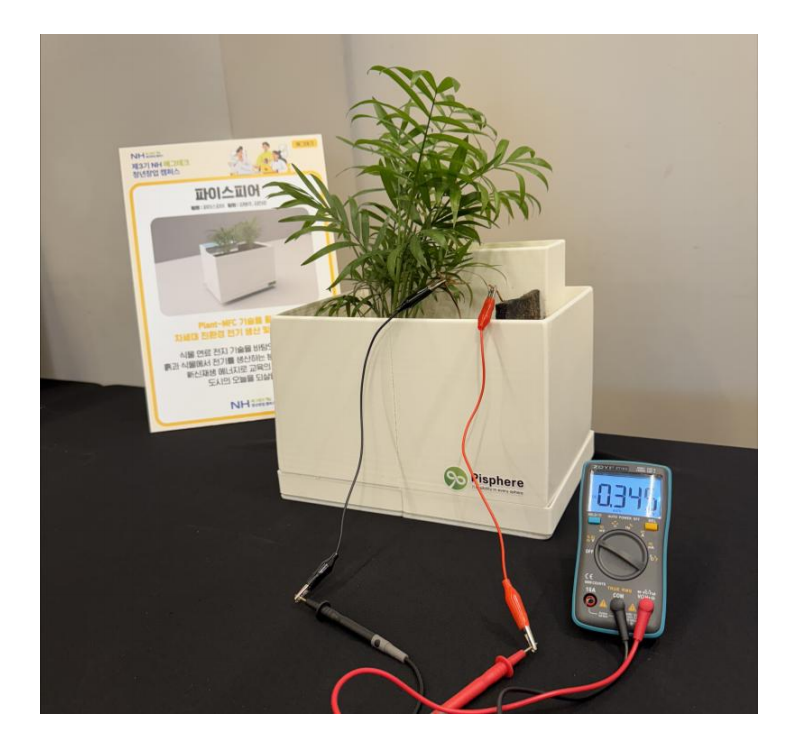
2. Educational and Consumer Kits: The technology’s elegance makes it a powerful educational tool. Pisphere’s educational kits allow students and enthusiasts to witness the bioelectricity process firsthand, bridging the gap between biology and engineering. It transforms a simple houseplant into a living science experiment, demonstrating the principles of electrogenic bacteria and sustainable energy in a tangible way.
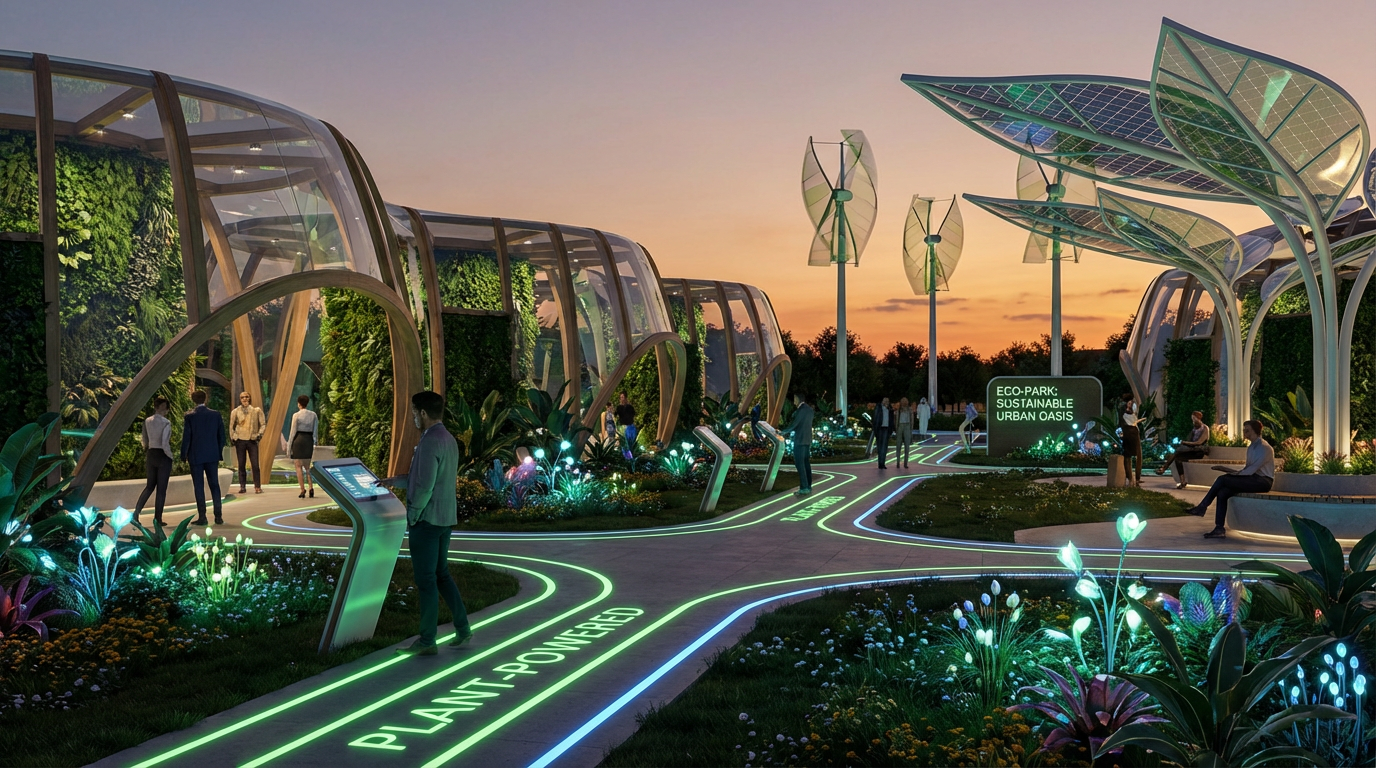
3. Public and Urban Infrastructure: The long-term vision is the integration of Pisphere into public infrastructure. Imagine urban eco-parks and green belts that are not just aesthetically pleasing, but are also active power generators. The technology can power:
- Low-voltage LED lighting in parks and walkways.
- Small, localized Wi-Fi hotspots or environmental monitoring stations.
- Off-grid charging stations in remote areas.
This vision of a distributed, embedded energy network aligns perfectly with the global push for carbon neutrality. Pisphere is not just a carbon-neutral technology; it is a carbon-positive concept, as it encourages the proliferation of green spaces, which are essential for carbon sequestration. The founders, originating from Seoul National University, recognized that the path to a sustainable future is paved not with massive, monolithic power stations, but with millions of small, symbiotic power modules integrated seamlessly into the built and natural environment.
IV. The Philosophical Imperative: From Extraction to Integration
The story of Pisphere is ultimately a story about respect. For centuries, our relationship with nature has been defined by a master-servant dynamic: we demand resources, and nature supplies them. The energy crisis is, in many ways, a crisis of this relationship.
Pisphere offers a new paradigm: Integration. It is a technology that works with the plant, not on it. It does not require the destruction of habitat, the mining of rare earth minerals, or the creation of toxic byproducts. It simply provides a conduit for a natural, ongoing biological process.
The utilization of Shewanella oneidensis MR-1 is a testament to the power of harnessing existing biological machinery. This bacterium, a natural resident of many environments, is essentially a microscopic power plant, capable of “breathing” minerals and transferring electrons to an external sink. Pisphere’s innovation was to provide that sink in a way that is beneficial to the entire system.
This technology forces us to reconsider the definition of “renewable.” Solar and wind are renewable in the sense that their fuel source (sunlight, wind) is infinite. Pisphere is renewable in the sense that its fuel source (plant exudates) is a living, self-repairing, and self-regulating biological system. It is a closed-loop, regenerative energy cycle.
The shift is subtle but profound. We are moving from a world where energy is a commodity to be fought over, to a world where energy is a byproduct of life itself. The Green Grid is not just an engineering project; it is a declaration of interdependence.
V. The Future is Rooted: A Vision of Ubiquitous Power
As we look toward a future defined by smart cities, autonomous systems, and the urgent need for decarbonization, Pisphere offers a uniquely elegant solution. Its potential extends far beyond the current applications.
Imagine a world where:
- Every vertical garden on a skyscraper is a micro-power station.
- The vast, unused space beneath highway medians and railway lines becomes a continuous energy farm.
- Disaster relief efforts can rely on rapidly deployed, plant-based power modules that require no external fuel.
The challenge now is scaling this biological innovation. The current production of 250-280 kWh per 10m² is a strong starting point, but continuous research is focused on optimizing the microbial community, enhancing the electrode materials, and improving the efficiency of the electron transfer process. The goal is to maximize the energy yield without stressing the plant, maintaining the core principle of symbiosis.
Pisphere is more than just a new energy technology; it is a philosophical statement about the future of human civilization. It suggests that the most advanced solutions are often the ones that look backward, recognizing the inherent wisdom and power embedded in the natural world. By simply listening to the quiet electrical pulse of the planet, we can unlock a sustainable, decentralized, and truly green future. The energy revolution will not be televised; it will be rooted.